Motivation
Students are motivated by creating functional mobile applications they can install and use on their own devices. The visual programming approach removes syntax barriers, allowing focus on logic and creativity.

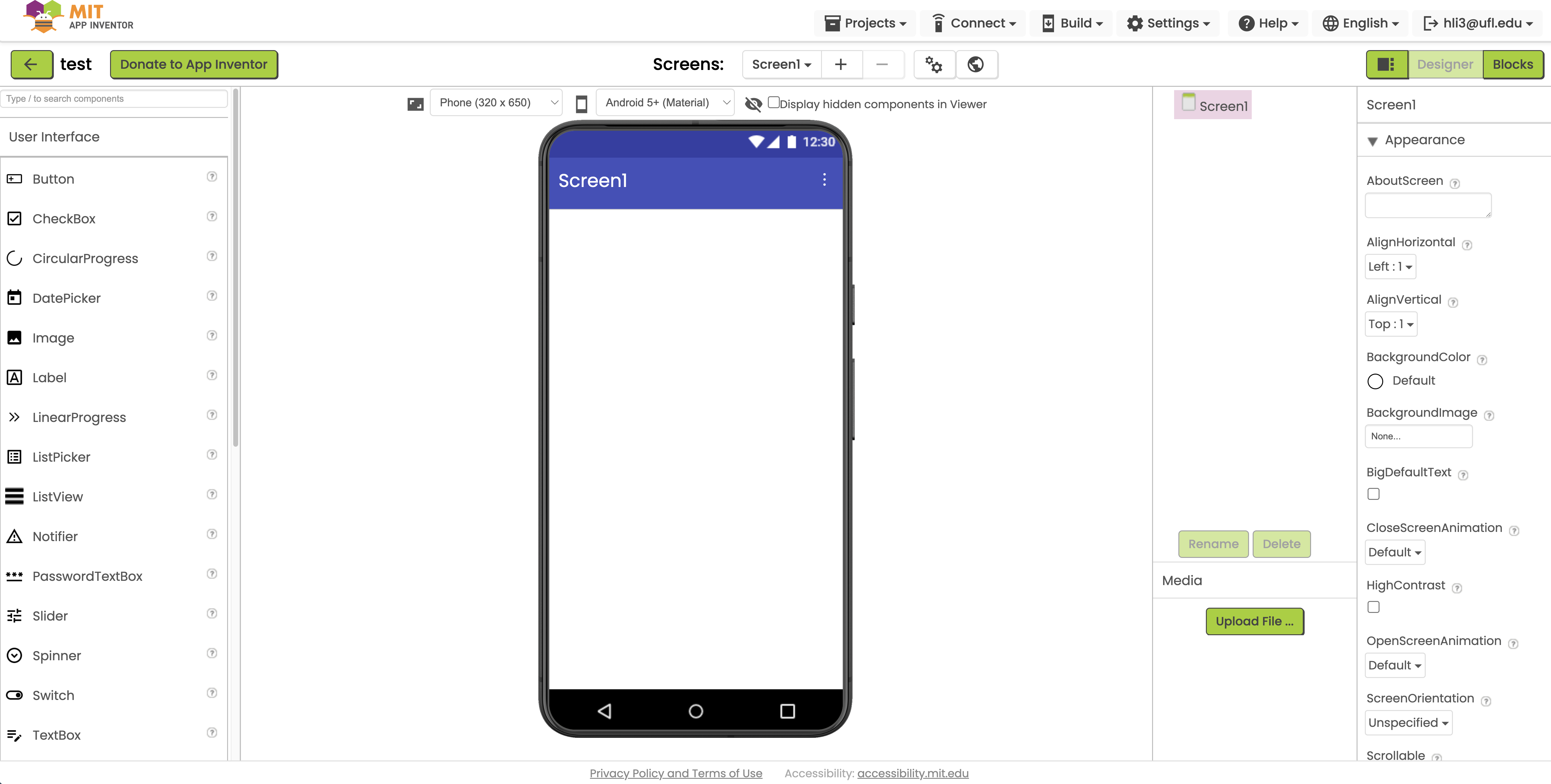
App Inventor is a free, browser-based, visual programming platform developed by MIT that allows users to create fully functional mobile applications for smartphones and tablets. Users build apps by designing interfaces on a virtual canvas and programming behaviors using drag-and-drop blocks. The platform introduces beginners to programming and computational thinking while enabling the creation of real mobile applications.
Students are motivated by creating functional mobile applications they can install and use on their own devices. The visual programming approach removes syntax barriers, allowing focus on logic and creativity.
Students produce fully functional Android mobile applications (.apk files) that can be installed on smartphones and tablets. Apps can interact with device sensors (camera, GPS, accelerometer) and be shared with others. Functionality for creating iOS apps is supported, but comes with some limitations.
The block-based system helps prevent syntax errors, which makes it easier for beginners to get started. Students can test their apps live, so they can quickly see what’s working and what’s not, which helps with debugging and understanding program flow.
Key features and technical capabilities:
Milestones and release history:
Mobile app used to test projects in real time on a smartphone. It allows students to preview and interact with their app instantly without needing to download. It supports both Android and iOS devices, though iOS features are more limited.
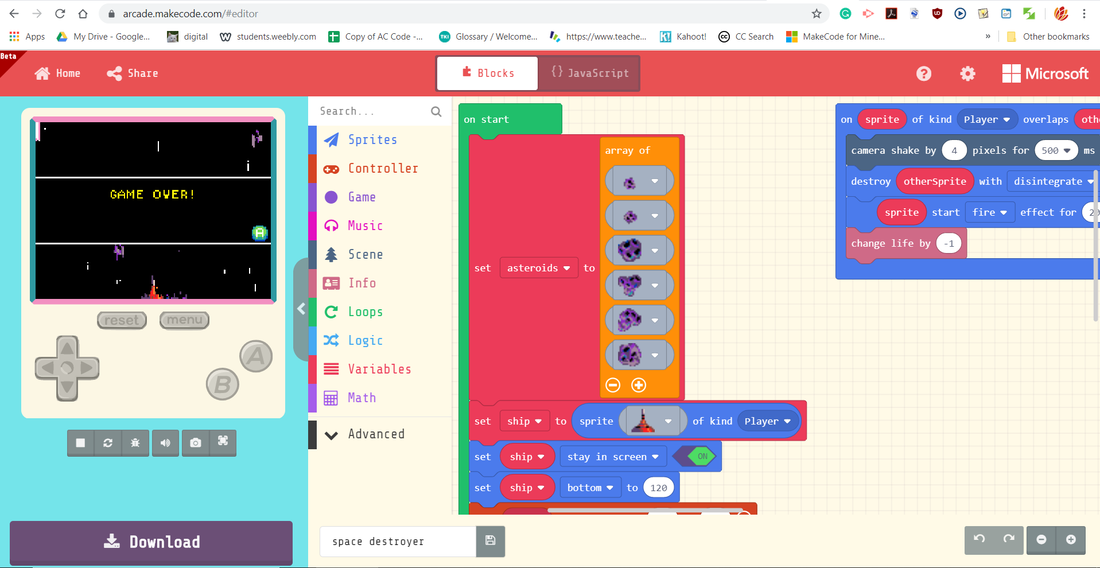
A free, browser-based game development platform designed for teaching computer science concepts through retro-style 2D arcade games.
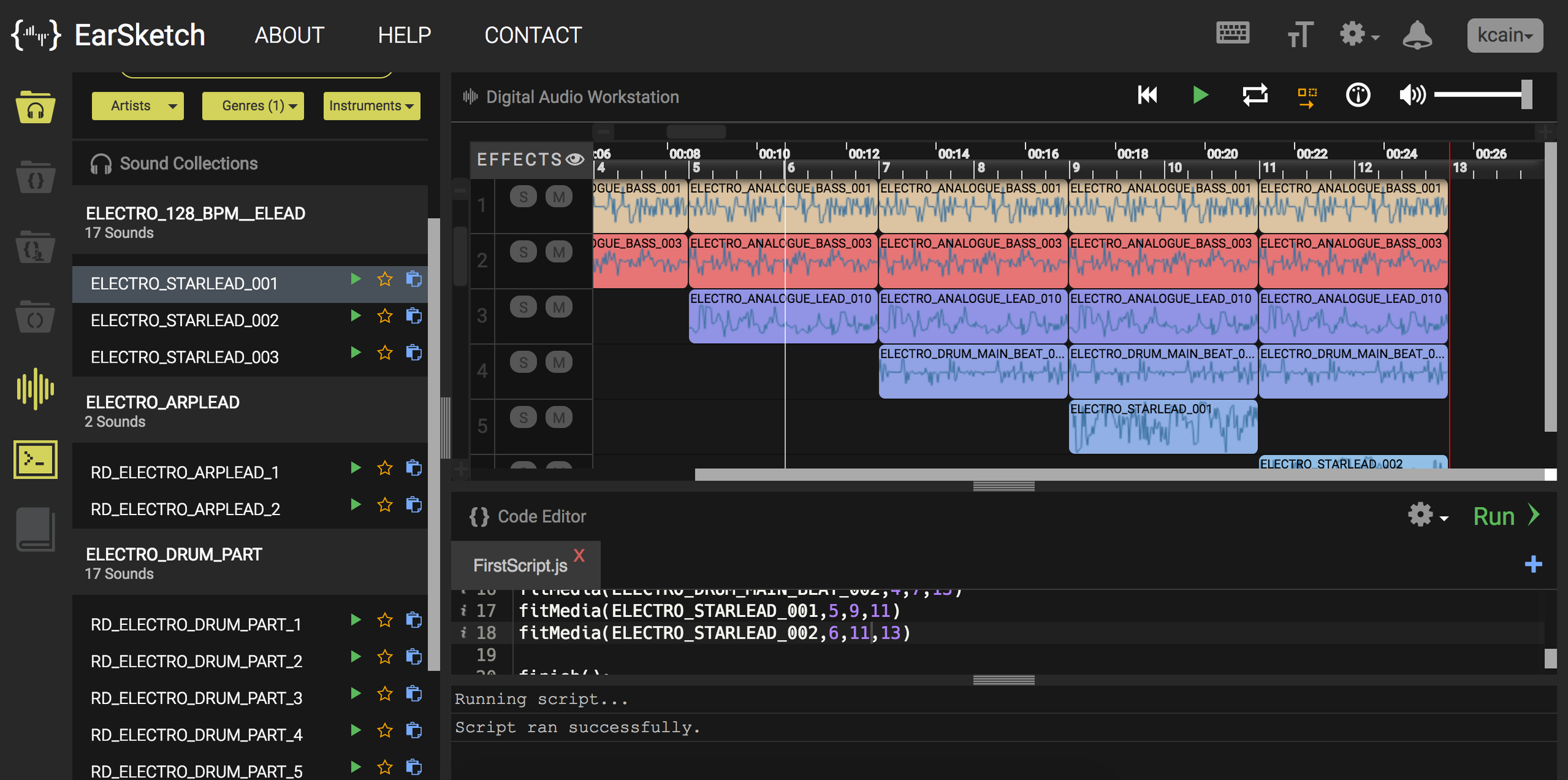
A platform where students learn how to code by creating music.
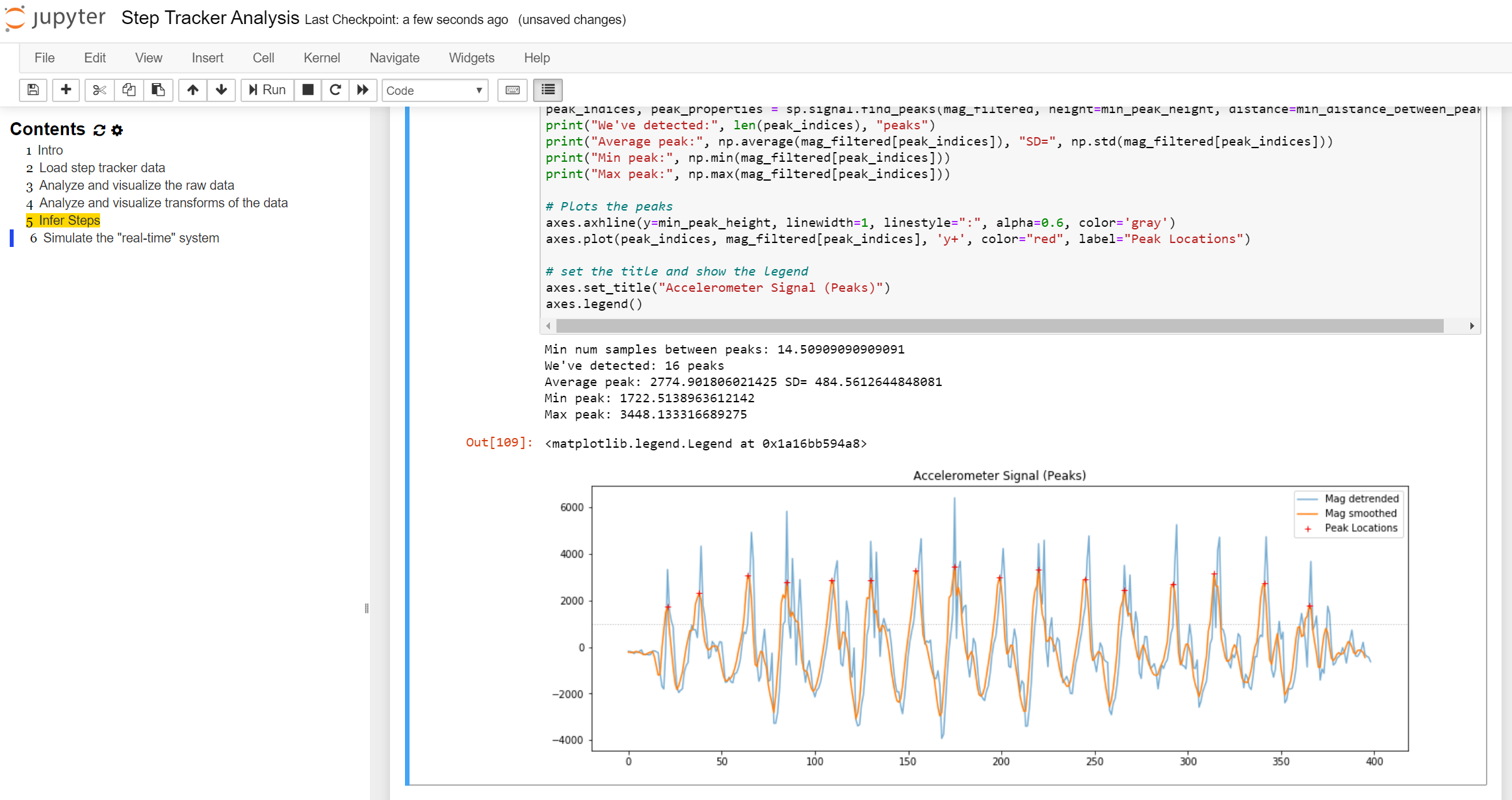
Jupyter Notebooks are an open-source, web-based interactive computing environment for creating and sharing documents that combine live code, narrative text, equations, visualizations, and rich media.